house mortgage refinance rates: what to know before you apply
What influences your cost
Refinance rates reflect lender risk, market yields, and your profile. Credit score, debt-to-income, loan-to-value, property type, and term all move the quote. Paying discount points can lower the note rate; cash-out often raises it. Rates shift with inflation signals and investor demand. Compare APRs to capture fees, and ask about par pricing versus lender credits.
When a refinance adds value
It helps if you’ll stay long enough to pass break-even, remove mortgage insurance, shorten the term, or consolidate debt responsibly. Tally total closing costs, then divide by monthly savings to estimate months to break even. Consider prepayment penalties, escrow changes, and tax effects.
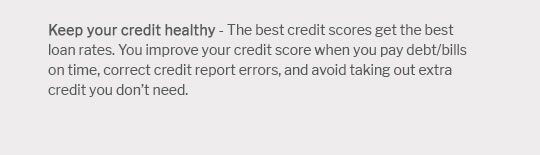
- Pull your credit and fix errors.
- Gather income, asset, and home docs.
- Get three quotes on the same day.
- Compare rate, APR, and points.
- Ask about rate locks and extensions.
Use a measured approach; strong documentation and clear goals can yield a competitive, sustainable loan.